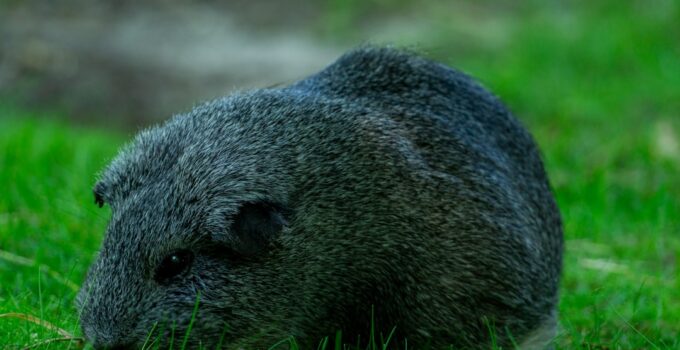
You’re considering getting a guinea pig, or perhaps you already have one & want to make sure you’re doing everything correctly. That’s a great question, & in all honesty, it comes down to a few basic things: giving them a nice place, feeding them the right food, keeping them clean, and realizing that they are social animals that require company. Guinea pigs, or “cavies” as some affectionately call them, are wonderful pets. Although they don’t require as much care as some other animals, they do have certain requirements that are vital to their health.
If you do these correctly, you’ll have a contented and healthy guinea pig for many years to come. Let’s examine what that entails. It’s more than just a box; your guinea pig’s cage is their whole world. where they play, eat, sleep, and even conduct business.
Caring for a guinea pig involves understanding not only their physical needs but also their emotional well-being. To ensure your furry friend thrives, it’s essential to create a nurturing environment that addresses both aspects. For more insights on managing stress and anxiety, which can also apply to pets, you might find the article on dealing with stress and anxiety in uncertain times helpful. This resource can provide valuable tips that may enhance your ability to support your guinea pig’s mental health, ensuring a happy and healthy pet.
Making this space right is the first big step to happy cavies. Cage Size Matters. One of the most frequent errors people make is this. Guinea pigs require room to walk around, explore, & just be pigs.
Minimum Footprint: 7.5 square feet of floor space is frequently mentioned as the bare minimum for a single guinea pig. But in actuality, this is the very least. For two guinea pigs (which is highly recommended, as we’ll discuss later), you’ll want at least 10.5 square feet. There’s always more.
Think of it this way: would you want to live in a tiny closet? Your guinea pig feels the same. Why Bigger Is Better: Bigger cages provide distinct spaces for eating, sleeping, and using the restroom. Also, it provides them with space to run, which is beneficial for both their mental and physical well-being.
When considering how to care for a guinea pig and meet all its physical and social needs, it’s important to understand the various aspects of their well-being. One essential element is ensuring they have a safe and stimulating environment. For those looking to enhance their pet care skills, you might find it helpful to explore related topics, such as learning new skills like performing a backflip, which can improve your coordination and confidence. You can read more about this in the article on how to do a backflip. This knowledge can translate into better interactions with your guinea pig, as you become more engaged and active in their care.
Guinea pigs in small cages may become bored, stressed, or even hostile. Types of Cages: A lot of cages that are sold commercially are just too small. When searching, take into account wire-bottom cages with a sturdy base (never a bare wire bottom, as this could hurt their feet) or even do-it-yourself options like CandC (Cube & Coroplast) cages, which are well-liked because they provide a lot of customizable space at a fair price. In general, aquariums are inappropriate because they don’t have enough ventilation.
When caring for a guinea pig, it’s essential to understand not only their physical needs but also their social requirements to ensure they thrive in a home environment. For those interested in expanding their knowledge on animal care, you might find a related article on the fascinating discoveries made by the James Webb Space Telescope particularly intriguing, as it highlights the importance of nurturing and understanding the world around us. You can read more about it here.
Bedding Options. What’s on the floor of their cage is key for comfort and hygiene. Steer Clear of Dangerous Materials: Pine and cedar shavings should be avoided. Guinea pigs may experience respiratory issues as a result of their aromatic oils. Also, anything dusty may cause issues.
Good Options:. Fleece liners are a well-liked & frequently affordable option. They can be cleaned and used again. To wick away moisture, you should use them with an absorbent layer underneath, such as U-Haul or puppy training pads. These need to be spot-cleaned daily and fully washed regularly.
Paper-Based Bedding: Generally dust-free and very absorbent. Yesterday’s News and Carefresh are two excellent examples. These need to be replaced frequently. Aspen Shavings: Since Aspen is kiln-dried and doesn’t contain the dangerous oils of pine or cedar, it’s a safe choice if you prefer wood shavings.
Choose dust-free varieties instead. Depth: Regardless of the type, give them a decent depth (at least a couple of inches) so they can burrow & feel secure. Hiding places and enrichment. Since guinea pigs are prey animals, having hiding places makes them feel safer by nature.
This is essential to their mental health. Hiding Spots Are Crucial: Give each guinea pig a minimum of one hiding spot, and preferably an additional one. These can be simple cardboard boxes with holes cut in them, commercial hideouts made of wood or plastic, or even fabric tunnels. Offering a variety of hiding places is crucial. While some guinea pigs enjoy open-topped boxes, others prefer enclosed tunnels.
This enables them to select what, at any given time, gives them the greatest sense of security. Toys for Play: Beyond hiding, they need things to interact with. Cardboard tubes (from toilet paper or paper towel rolls) are a huge hit.
They’ll run through them, chew on them, & generally have a great time. Wooden chew toys are also good for keeping their teeth in check. Avoid anything with small parts they could ingest or get stuck in. The location is the location.
Where you put the cage is also important. Quiet Zone: Put the cage in a section of your house that is comparatively quiet. Avoid high-traffic hallways or very noisy rooms where they might be constantly startled. Stable Temperature: Keep them away from direct sunlight, drafts, and heating or cooling vents. A steady, comfortable room temperature is ideal for guinea pigs because they are prone to overheating.
Social Interaction (but not too much): While they need a calm environment, they also want to be part of the family. Placing the cage in a living room or family room where they can see & hear you, but not be overwhelmed, is often ideal. There is more to feeding your guinea pig than just filling a bowl. Their diet is crucial to their well-being, and unlike many other rodents, they require certain items.
The Mighty Hay. A guinea pig’s main food source is hay. It’s not just a food; it’s essential for their digestion and dental health.
Unrestricted Access: Your guinea pigs should always have access to high-quality grass hay, such as Timothy, orchard, or meadow hay. They should be able to eat as much as they want, whenever they want. Why it’s important. Digestive Health: Their digestive system is designed to constantly process fiber.
This essential roughage is provided by hay, avoiding digestive stasis, a dangerous condition in which the gut slows down. Dental Health: Guinea pig teeth grow continuously throughout their lives. By wearing down their teeth through chewing hay, they avoid uncomfortable overgrowths that could make eating challenging or impossible.
Importance of Quality: Make sure the hay is fresh, green, and smells good. Hay with a musty smell, mold, or dust should be avoided. Purchase it in larger bags or compressed bales to preserve its freshness. Alfalfa hay is a good choice for young, developing guinea pigs, but because of its higher calcium and protein content, adults should only be given it occasionally.
The Vitamin C Powerhouse. The inability of guinea pigs to make their own vitamin C is arguably the most important nutritional factor unique to them. Crucial Supplement: Guinea pigs require daily vitamin C intake, just like people do. Scurvy is caused by a deficiency & can be deadly. sources of vitamin C.
Fresh Vegetables: A lot of vegetables are great sources. Bell peppers (especially red and green), parsley, kale, and broccoli are good options. Pellets: Vitamin C should be added to high-quality guinea pig pellets.
Water Bottles (with caution): Some people put Vitamin C drops in water. But in water, vitamin C deteriorates rapidly. Also, if the water isn’t changed frequently, it can become a breeding ground for bacteria.
Relying on fresh veggies and fortified pellets is generally a safer bet. Daily Requirement: Aim to provide a variety of Vitamin C-rich vegetables daily. The amount depends on the guinea pig, but a small chunk of a bell pepper or a good sprig of parsley per day is a good starting point.
Pellets: The Supporting Role. Although they offer concentrated nutrients, pellets shouldn’t make up the majority of their diet. Species-Specific: Always choose pellets formulated specifically for guinea pigs. These will contain the right amount of vitamin C & nutrients. Avoid High-Fat/Seed Mixes: Those colorful mixes with seeds & nuts are detrimental to guinea pigs.
They are too fatty and offer little nutritional value, essentially being “junk food. “. Quality Counts: Seek out pellets with a high fiber percentage (at least 18–20%). Avoid those with artificial colors or excessive fillers. Moderate Amount: For adult guinea pigs, a small amount of pellets (about 1/8 cup per pig per day) is usually sufficient. This supplements their hay & fresh veggies.
Fresh Vegetables: A Daily Must. In addition to vitamin C, a range of fresh vegetables provide vital minerals, vitamins, and water. Variety is Key: Offer a selection of safe vegetables daily.
This keeps things interesting and ensures a broad range of nutrients. Good Choices Include:. Leafy Greens: Romaine lettuce, green leaf lettuce, red leaf lettuce, spinach (in moderation due to oxalates), dandelion greens.
Steer clear of iceberg lettuce because it is low in nutrients and may induce diarrhea. Root vegetables: cucumber, bell peppers, zucchini, celery, & carrots (which are higher in sugar & should be consumed in moderation). Other vegetables include broccoli, cauliflower, green beans, tomatoes (the leaves and stems are poisonous), Brussels sprouts (which some people may experience gas from), and peas in the pod. Introduce Slowly: When introducing a new vegetable, give a tiny amount first to see how they react.
Some can cause gas or digestive upset if given too much too soon. Washing: Always wash all fresh produce thoroughly before feeding it to your guinea pigs. Avoid: Potatoes, onions, garlic, avocado, rhubarb, & anything from the cabbage family in large quantities due to potential for gas. Water: Constant Access. Fresh, clean water is vital. Water Bottles Preferred: Most people use sipper bottles, which keep the water clean and accessible.
Regular Refills: Change the water daily. Check the straw to ensure it’s not clogged and that the guinea pig knows how to use it. Backup Option: As a backup or in place of a bottle, some keepers prefer to provide a heavy ceramic bowl of water. However, bowls can quickly become dirty from food and bedding and need to be cleaned frequently. Guinea pigs are highly social animals and are very unhappy kept alone.
This is about their psychological health, not just getting another pet. The Rule of Two (or More!). Keeping a single guinea pig is generally considered detrimental to their social health. Natural Herd Animals: In the wild, guinea pigs live in social groups.
They depend on one another for companionship, communication, & safety. Loneliness & Boredom: A guinea pig left alone may experience feelings of loneliness, depression, withdrawal, or even stress-related behaviors. They lose out on the organic social interactions that are essential to their well-being. Introductions: Bringing a new friend into their lives is nearly always the best course of action, though introductions must be done carefully, particularly between new guinea pigs.
Bonding and Introductions. This isn’t always straightforward, but it’s incredibly rewarding. Choose Compatible Companions: It’s often easiest to bond a neutered male with a female. Same-sex relationships can succeed, but they need to be closely watched.
Avoid bonding adult males unless one is clearly dominant and the other submissive, as same-sex male aggression can be severe. Neutral Territory: Always introduce new guinea pigs in a neutral, unfamiliar area, never in an existing cage. This keeps territorial disputes at bay.
Supervise Closely: During initial introductions, stay nearby and supervise them closely. Keep an eye out for aggressive behaviors like squealing, nipping, chasing, or elevated fur. Short, Frequent Meetings: Start with short, supervised play sessions, gradually increasing the time if they get along. Don’t Force It: If introductions are consistently difficult, further research might be needed, or you may need to accept that some individuals just don’t bond well.
This is less common than most people realize, though. Cage Sharing: They can share a bigger cage once they have bonded. It’s often best to remove any existing territory markers (like old bedding) from their new shared home to minimize territorial feelings. Interaction with Humans.
While guinea pigs benefit most from other guinea pigs, they can also bond with their human companions. Gentle Handling: Guinea pigs are prey animals and can be easily spooked. Speak softly and approach them with composure.
Let Them Come to You: Initially, let them get used to your presence in their space. Offer treats through the cage bars or when they are in a safe, open area. Picking Them Up: Find out how to properly pick up a guinea pig. Gently cup their front legs & chest with one hand while supporting their hindquarters with the other.
Never grab them by the scruff or middle like you would a dog or cat. Cuddle Time: Once they are comfortable with you, allow them to sit on your lap or chest while you are seated. They might even begin to enjoy being cuddled and gently petted. Recognize when they are stressed or want to be put down – they’ll often squirm or try to escape.
Floor Time: They benefit greatly from supervised “floor time” in a guinea pig-proofed setting. They can engage with you outside of their cage, explore, and exercise. A long & happy life for your guinea pig depends on maintaining good hygiene and identifying health problems. Cage Cleaning Routine.
A clean environment prevents illness and keeps your pets comfortable. Daily Spot Cleaning: Get rid of any dirty bedding, leftover fresh food, & excrement every day. Urine stains should be spot cleaned. This is essential for preventing ammonia buildup. Weekly Full Clean: Once a week (or more often if needed), a thorough cage cleaning is required.
Remove all bedding. Wash the cage base (and any accessories like food bowls) with a pet-safe cleaner or mild soap & water. Make sure to rinse well. Replace it with new bedding. Wash food and water containers.
Washing Fleece Liners: If you’re using fleece, use a tiny bit of pet-safe detergent & avoid using fabric softener, which can lessen absorbency. Line dry or tumble dry on low. Grooming Needs.
Most short-haired guinea pigs are low-maintenance, but some may need a little help. Nail Trimming: Their nails grow continuously and need to be trimmed regularly to prevent them from becoming too long, curling, or snagging on things. Invest in high-quality nail clippers for guinea pigs. If you’re not sure, ask a skilled breeder or your veterinarian to demonstrate. To prevent bleeding, do not cut the “quick,” which is the blood vessel inside the nail.
Hair Care:. Short-haired: Other than sporadic inspections for mats or debris, they typically don’t need to be regularly groomed. Long-haired people (e. A g. Peruvian, Abyssinian): More frequent brushing is necessary to avoid matting, particularly in the area of their hindquarters.
Daily brushing might be necessary for some breeds. The hair around their eyes may need to be trimmed to prevent vision obstruction. In general, guinea pigs don’t require baths. They are extremely hygienic animals, and bathing can cause stress. They should only take a bath if it is absolutely necessary, such as when they have a serious skin condition or are very dirty and cannot be cleaned in any other way.
Use a special guinea pig shampoo or a mild, unscented baby shampoo, and dry them thoroughly. Recognizing Signs of Illness. Early detection is key to successful treatment. Changes in Appetite/Thirst: A sudden decrease or increase in eating or drinking can be a sign of trouble.
Lethargy/Hiding: If your normally energetic guinea pig suddenly becomes extremely reclusive, drowsy, or spends all of their time hiding. Ruffled Fur: A guinea pig that looks constantly unkempt or has ruffled fur, even when relaxed, may be unwell. Changes in Droppings: Droppings that are very small, very large, mushy, or absent.
Sneezing, wheezing, runny eyes, and nose can all be signs of respiratory infections, which are dangerous & common. Skin Issues: Hair loss, scabs, redness, or excessive scratching. This can be due to mites, fungal infections, or dietary deficiencies. Dental Problems: Drooling, difficulty eating, loss of weight, and grinding teeth can indicate dental overgrowth or other oral issues. Diarrhea: This is a critical sign and needs immediate veterinary attention.
If you observe any of these symptoms, get in touch with a veterinarian who specializes in exotics or guinea pigs right away. Don’t wait. As mentioned earlier, a guinea pig’s teeth are a crucial aspect of their health that requires ongoing attention. The Never-Ending Growth.
Guinea pig teeth, like those of rabbits, are hypsodont – meaning they grow continuously throughout their lifespan. Incisors and Molars: They have four incisors at the front (two top, two bottom) and molars at the back for grinding food. All of these grow. When teeth are misaligned, it is known as malocclusion, & it stops the teeth from naturally eroding. This leads to painful overbites or spurs.
Preventing Dental Problems. This is primarily managed through diet & observation. Hay, Hay, Hay: Unrestricted access to high-quality grass hay is the most important preventative measure. The constant chewing action grinds down their teeth. Vitamin C: A deficiency in Vitamin C can sometimes contribute to weak gums and teeth, making them more prone to problems.
Make sure you consistently consume vitamin C by eating fortified pellets and fresh vegetables. Chew Toys: In addition to hay, safe wooden chew toys can help wear down incisors. Avoid plastic toys that can be ingested. Observe Eating Habits: Keep an eye on what your guinea pigs eat.
Any alteration in their eating habits could indicate a dental problem, such as dropping food, chewing normally, or consuming only soft foods. Frequent Checks: Even with proper care, it can be beneficial to visually inspect their incisors on a regular basis while they are relaxed and eating or drinking in order to identify any obvious overgrowths. When Problems Arise. Dental problems usually require a visit to the veterinarian.
Signs include drooling, wet chin, refusal to eat, dropping food, weight loss, a preference for soft foods, teeth grinding (which frequently indicates pain), visible overgrown incisors, and jaw abscesses. Veterinary Care: If you suspect a dental problem, seek veterinary attention immediately. A veterinarian can treat molar spurs or cut overgrown incisors. In extreme circumstances, extractions or routine dental work may be necessary. Treating dental issues as soon as possible is crucial because they can cause severe pain, malnourishment, and infection.
Caring for a guinea pig is a commitment, but a very rewarding one. By understanding and meeting their physical & social needs with the right environment, diet, & companionship, you’re setting the stage for a happy and healthy little life alongside you.
.