It takes time, patience, understanding, & persistent work to help a scared or nervous dog gain confidence. Although there isn’t a quick fix, you can help your dog gradually get over their fears and build a more confident sense of self by fostering a supportive environment and employing constructive, low-pressure methods. It’s about giving them the confidence to feel more secure in their own skin and in their surroundings. Take a moment to truly observe and comprehend what causes your dog’s fear before beginning any techniques. Seeing the world from their point of view is more important than simply identifying the frightening thing.
recognizing the triggers. Keep a close eye on your dog. Keep a little journal or a note on your phone. What particular circumstances or items cause them anxiety?
If you’re looking for additional strategies to support your fearful or anxious dog in building confidence, you might find this article on positive reinforcement techniques particularly helpful. It provides insights into how rewarding desired behaviors can create a more secure environment for your pet. You can read more about it in this related article: Positive Reinforcement Techniques for Dogs.
Are they loud noises, strangers, other dogs, strange places, or particular movements? Environmental triggers include bicycles, doorbells, hats, vacuum cleaners, thunderstorms, and specific flooring types. Social triggers include strangers, kids, other dogs, particular breeds, and bearded men. Situational triggers include walks in crowded places, being left alone, car rides, and veterinary visits. Your ability to customize your approach will improve with greater detail.
Prior to a full-blown panic, try to recognize the subtle indicators of stress. Yawning, lip-licking, whale eye (exposing the whites of their eyes), tucking their tail, or panting when it’s not hot are examples of this. Understanding Body Language. Dogs mostly use body language to communicate. Gaining trust and understanding when your dog is at ease or overwhelmed depend on your ability to read these cues.
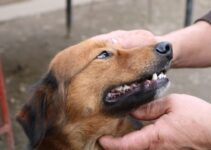
Yawning, lip-licking, turning the head, sniffing the ground, and slow tail wags are examples of calming cues. These signs frequently show that a dog is attempting to control their stress or defuse a perceived threat. Fear and anxiety symptoms include tucked tail, lowered body posture, avoiding eye contact, trembling, panting, excessive salivation, growling, lunging, and snapping (these are frequently last-resort attempts to create distance). A relaxed body, a loose tail wag, soft eyes, & an open mouth (a joyful “doggy smile”) are examples of neutral or happy signals. By keeping an eye out for these cues, you can intervene before your dog gets too anxious and modify your training regimen as necessary. A dog is more likely to learn and develop self-assurance when it feels safe.
Helping a fearful or anxious dog build confidence can be a gradual process, and understanding their needs is crucial. For those looking to enhance their pet’s well-being, exploring additional resources can be beneficial. One such article discusses effective methods for achieving clear skin naturally, which can be an interesting read for pet owners who also prioritize their own health and wellness. You can find this insightful piece here. By fostering a calm environment and implementing positive reinforcement techniques, you can significantly aid your dog’s journey towards confidence.
This entails creating a secure home environment and predictable routines. Creating a Secure Area. Every scared dog needs a safe haven where they can hide and feel totally safe. This should be a peaceful, cozy area that is only theirs. Crate Training: When used constructively, a crate can serve as a great den.
For added security, cover it with a blanket. Never punish someone with a crate. Designated Area: You can use a closed-off room, a quiet corner, or the space beneath a desk. Give it a chew, toys, and their preferred bed. Accessibility: Make sure that this secure area is always reachable, particularly in stressful situations (e.g. “g.”. guests, thunderstorms).
Instruct kids & other pets to show consideration for this area. For your dog, it’s an untouchable haven. predictability and regularity.
Dogs need routine to thrive. Anxiety is largely caused by uncertainty, which is lessened when one knows what to expect. Regular Schedule: Potty breaks, playtime, walks, and feedings should all take place at roughly the same times every day. Predictable Interactions: Trust is developed through consistent instructions, compliments, and kind treatment.
Steer clear of abrupt, erratic movements or loud surprises. Reducing Surprises: Make an effort to foresee possible stressors & lessen their effects. Make sure your dog is in their safe area before a storm arrives. Your dog’s mental energy is freed up for learning and confidence building when they are in a predictable environment, which reassures them that the world isn’t chaotic and dangerous. This is the foundation for developing self-confidence.
It entails gradually exposing your dog to their triggers at a low intensity while consistently associating the experience with something constructive. Changing their emotional reaction from fear to neutrality or even pleasure is the aim. Counter-conditioning.
Your dog’s emotional reaction to a trigger can be altered through counter-conditioning. You want them to be excited and anticipate treats when they see a new person rather than being afraid. Positive Association: Give your dog expensive treats or engage in a rewarding activity they enjoy as soon as the trigger appears, even if it’s only slightly. The management of thresholds is essential. Remain below your dog’s fear threshold, which is the threshold at which they begin to exhibit anxiety symptoms.
You’re too close or the trigger is too strong if they react fearfully. Step back & give it another go at a lesser intensity. Short, Positive Sessions: To prevent your dog from becoming anxious, keep sessions short & conclude on a positive note. If your dog is afraid of the vacuum, for instance, keep it unplugged in a different room. Give treats to your dog when they see it. Move the vacuum closer gradually over a few days or weeks, then switch it on for a brief period of time, always accompanied by treats.
Desensitization that is systematic. This entails exposing your dog to the trigger in a methodical, step-by-step manner, beginning with the least intense version and progressively raising the intensity as long as they feel comfortable. Determine Graded Steps: Dissect the trigger into small, doable steps. Stranger visible across the street, stranger visible down the block, stranger walking past your house, stranger sitting quietly in the yard, stranger standing farther away, stranger closer—these could be the steps if your dog is afraid of strangers. Control Variables: Adjust the trigger’s distance, duration, & intensity.
Observe and Modify: Keep an eye on your dog’s body language at all times. You’ve moved too quickly if they exhibit any signs of fear. Return to the step where they felt most at ease. Never Force It: Don’t push your dog over their comfort zone. This just makes people more afraid and less trusting.
It may take months or even years to complete this process. It’s essential to have patience, not just a virtue. In addition to addressing particular fears, you can proactively increase your dog’s overall confidence through skill development and positive experiences.
Play & involvement. For dogs, play is a natural way to decompress & a potent means of fostering camaraderie and self-assurance. Interactive Play: Playing games like fetch, hide-and-seek, or tug-of-war (with rules) with your dog fosters goodwill and lets them succeed. Puzzle feeders and chew toys are examples of mentally stimulating toys that are appropriate.
Safe Playmates: Choose peaceful, kind playmates in a supervised setting if your dog likes to play with other dogs. Provide close supervision. Play should never be coerced and should always be enjoyable.
Give your dog the freedom to start & stop play sessions so they feel in charge. Basic Training in Obedience. Training can help your dog feel less anxious because it gives them structure, mental stimulation, and a clear way to understand what you’re asking of them. Positive Reinforcement: Toys, praise, and treats can be used to reward desired behaviors.
Steer clear of punishment, as it only makes fear worse. Simple Cues: Instruct students in simple commands such as “sit,” “stay,” “come,” and “down.”. These provide your dog with a “job” and a means of reacting to you in various circumstances. Relaxation Cues: By teaching your dog the “settle” or “mat” command, they will learn to unwind in a particular location even in the face of distractions.
Confidence Boosters: Gaining proficiency in even basic skills boosts a dog’s confidence & sense of accomplishment. You can utilize these abilities as priceless tools in low-stress circumstances. Your dog’s attention may be sufficiently diverted by asking them to “sit” or “watch me” to avoid an anxiety spiral. Sometimes the most compassionate course of action is avoidance or cautious handling of circumstances. It’s not about keeping your dog hidden from the outside world; rather, it’s about shielding them when they’re just not ready.
Steer clear of overload. Although it may be tempting to want your dog to “get over it,” putting them in uncomfortable situations will probably backfire. Careful Outings: Select peaceful times and places to go for walks. If your dog is afraid of people or other dogs, stay away from busy public areas and dog parks.
Controlled Introductions: Make sure your dog is introduced to new people or animals on their terms. Provide escape routes & let them come if they want to. Recognize Boundaries: Recognize that your dog has boundaries. Pushing them past it will typically backfire.
Being a strong advocate for your dog’s welfare entails managing the environment. Leashes and the harness. The equipment you choose can affect both your dog’s comfort & your capacity to safely handle them. Front-Clip Harness: A front-clip harness deters pulling without hurting your dog’s throat & can offer greater control than a collar alone.
Also, it can help bring your dog’s focus back to you. Long Leash: A long line (10 to 15 feet) can help your dog feel less constrained and develop independence by giving them more room to explore in a secure, open space. Steer clear of retractable leashes because they can be erratic and provide inconsistent control, which could be hazardous for a dog that is afraid. Make sure any equipment fits properly, doesn’t hurt, and doesn’t limit your range of motion, all of which could increase anxiety. Examining Expert Assistance.
Expert advice is crucial for a lot of scared or nervous dogs. Seek out Certified Professional Dog Trainers (CPDT-KA) who focus on fear-based behaviors & positive reinforcement. They are able to provide individualized plans & practical coaching.
Veterinary Behaviorist (Dip ACVB): A veterinarian with specialized training in animal behavior can diagnose severe anxiety, phobias, or fear-based aggression and, if necessary, discuss medical intervention. Collaboration: To rule out medical conditions and talk about medication that can make your dog more receptive to training, a good trainer will frequently advise speaking with your veterinarian or a behaviorist. Seeking professional assistance is a responsible & loving step to give your dog the best chance at a happier, more self-assured life, not a sign of failure. Investing in their wellbeing is what it is. It is a marathon, not a sprint, to instill confidence in a scared dog.
Celebrate little successes, be patient when things go wrong, and keep in mind that every good, stress-free encounter adds to their sense of security. Your advocacy, empathy, and consistency are your most effective tools.
.