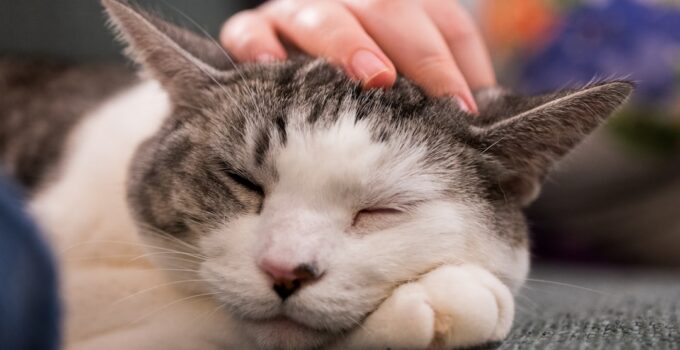
It’s incredibly fulfilling to look after an elderly cat. As they age, these animal companions should receive all the care and comfort they need, which mostly consists of making a few changes to their routine and surroundings. Fortunately, many of these adjustments are easy and can significantly improve their quality of life. Recognizing the Senior Cat.
Cats are deemed senior when they are between 7 and 10 years old, and their “geriatric” years usually begin between 11 and 14. Consider this: cats slow down in their later years, just as humans do. As their bodies change, so do their needs. Recognizing these signs early is key to providing the best care possible. What Cats Actually Mean When They Say “Senior”. Growing older is not the only thing to consider; there are both internal and external changes that accompany it.
In addition to understanding how to care for a senior cat and help it age with dignity and comfort, you may find it beneficial to read about the importance of hygiene in pet care. A related article that provides valuable insights on maintaining cleanliness is available at How to Wash Your Hands. This resource emphasizes the significance of proper handwashing techniques, which can help prevent the spread of germs and ensure a healthier environment for both you and your beloved feline companion.
This typically entails a progressive deterioration of their senses, heightened vulnerability to disease, and an overall reduction in vitality. typical age-related changes. You may observe variations in the texture of their fur, variations in their weight, or a slight increase in lethargy. They may become more talkative or reclusive, & their mobility may be diminished.
Your first indication that they might require some additional assistance is to pay attention to these small changes. Health Modifications for a Cozy Senior Cat. Cats’ health requirements change as they get older. To identify any possible problems early, routine veterinary examinations become even more important. Consider your veterinarian as your collaborator in making sure your elderly cat is healthy.
yearly or biannual veterinary visits. Don’t wait for an issue to occur. Veterinary care should be given more frequently to elderly cats. During these visits, the veterinarian can check for common conditions that are more common in older cats, such as kidney disease, hyperthyroidism, arthritis, & dental issues.
When caring for a senior cat, it’s essential to understand their unique needs to ensure they age with dignity and comfort. A related article that offers valuable insights on maintaining your pet’s health and happiness is available here. By incorporating tips from this resource, you can create a nurturing environment that supports your feline friend during their golden years. Remember, every small effort counts in making their life more enjoyable and fulfilling.
Better treatment outcomes are frequently the result of early detection. identifying common illnesses. As part of these routine examinations, your veterinarian may suggest blood work, urinalysis, and thyroid tests.
Caring for a senior cat involves understanding their unique needs and providing a comfortable environment as they age. To enhance your knowledge on pet care, you might find it helpful to read an article on how to quit vaping, which discusses the importance of maintaining a healthy lifestyle that can also benefit your furry friend. For more insights, check out this informative piece on quitting vaping to learn how personal well-being can positively impact your ability to care for your beloved pet.
These tests can help you manage your cat’s health by identifying underlying problems before they manifest overt symptoms. Dental examinations. Older cats frequently suffer from dental disease, which can be extremely painful and uncomfortable. Other health issues may also result from it.
After examining your cat’s mouth, your veterinarian might suggest professional cleaning if necessary. Dietary changes. A senior cat’s diet has a significant impact on how they age. As their bodies process nutrients differently and their metabolism slows down, their dietary requirements alter.
Senior-Specific Foods. Excellent senior cat food formulas are readily available. These are made with high-quality protein to preserve muscle mass but are frequently lower in calories to avoid weight gain. Also, they may include supplements like omega-3 fatty acids for healthy skin and coats or glucosamine & chondroitin for joint health. Drink plenty of water.
Cats find it more difficult to stay hydrated as they age due to a common decline in kidney function. By providing several water sources, utilizing a pet fountain, or giving wet food—which has a higher moisture content—you can promote water intake. regulation of weight. Maintaining a healthy weight for your elderly cat is essential.
Obesity exacerbates age-related disorders by placing additional stress on their joints & organs. On the other hand, inadvertent weight loss may indicate a medical condition. Keep a careful eye on their weight and talk to your veterinarian about any concerns. Modifications to the environment for convenience and security.
A few well-considered changes can turn your house into a senior cat’s paradise. The intention is to make daily tasks safer and easier for them. Mobility & accessibility assistance. A cat’s ability to jump and climb may be restricted as arthritis or general stiffness develops. Think about how you can assist them in getting to their favorite locations.
Simple access to resources. Put bowls of food & water in easily accessible places; if jumping is difficult, place them on the floor instead of an elevated surface. Make sure they can easily access their litter box. comfortable places to rest. Make sure the beds are cozy, warm, and convenient.
Think about orthopedic beds or beds positioned in sunlight, next to heating vents, or on lower floors. Don’t put their favorite places to sleep where they must jump to get there. Steps, ramps.
If your cat enjoys sitting on a couch or a favorite windowsill but finds it difficult to get up, you might want to think about getting sturdy steps or small pet ramps. These can help close the gap and enable them to continue their routines without exerting too much effort. Stress-free and safe areas.
Older cats may be more vulnerable to abrupt changes and noise. Their stress levels can be considerably decreased by creating environments that are predictable and serene. areas that are quiet. Give your elderly cat a peaceful area or room to retreat to and rest in peace.
Reduce the volume of loud noises and don’t overcrowd them with guests. recurring patterns. Even though it’s not always feasible, make an effort to stick to a regular daily schedule for playtime, feeding, & quiet time. An older cat may find comfort in this consistency.
Comfort and Enrichment for a Joyful Old Age. Senior cats still benefit from mental & emotional stimulation even as they slow down. Sustaining their level of engagement can help keep their spirits high and their minds active.
Play and interaction should be gentle. For an elderly cat, playtime may take a different form, but it’s still crucial. Concentrate on engaging activities that are not as physically taxing. interactive playthings. Provide toys that don’t need hard chasing, like puzzle feeders that release treats when you manipulate them or feather wands that you can gently wave close to them.
brief playtime. Choose multiple shorter play sessions throughout the day in place of longer, more intense ones. This may aid in avoiding fatigue.
Love and companionship. Maintain your loving and gentle petting. Many elderly cats value peaceful company & just being close to their owners. Have a calming conversation with them.
preserving personal hygiene & grooming. Cats may become less flexible and energetic when it comes to grooming themselves as they get older. This is your opportunity to intervene. brushing. Frequent light brushing can promote circulation, prevent mats, and help remove loose fur. It offers a chance to bond as well.
Avoid pulling on mats and concentrate on areas that cats with arthritis can easily reach. cutting your nails. Because they are less active, older cats might not wear down their nails as well. Walking can be uncomfortable & challenging due to overgrown nails. Trimming should be done carefully and on a regular basis.
Cleaning the area around the ears and eyes. Use a moist cloth or pet-specific wipes to gently clean any accumulation or discharge around their eyes and ears. Identifying and Treating Conditions Associated with Age. Understanding common health problems in senior cats enables timely intervention and improved care, which ultimately improves their comfort. joint discomfort and arthritis. This condition, which causes pain, stiffness, and a reluctance to move, is possibly the most prevalent in older cats.
Arthritis symptoms. Keep an eye out for decreased activity, a shift in gait, difficulty grooming, vocalization when moving, and a decreased desire to jump or climb. Strategies for Management. Your veterinarian might recommend joint supplements, painkillers, or anti-inflammatory medications. Also important are environmental changes like ramps & non-slip surfaces.
Warmth is also calming. Chronic renal failure is a type of kidney disease. Kidney problems affect a sizable portion of elderly cats.
For the best outcome, early detection is essential. signs to look out for. Possible signs include increased thirst and urination, weight loss, appetite loss, vomiting, & a dull coat. care for animals.
Fluid therapy, medication to control symptoms, and dietary modifications (low protein, low phosphorus) are often used in treatment. over-thyroidism. Increased metabolism is caused by an overactive thyroid gland in this condition. typical signs.
unexplained weight loss in spite of hyperactivity, vomiting, diarrhea, increased thirst and urination, & increased appetite. Options for Treatment. Your veterinarian will determine the course of treatment, which may include medication, radioactive iodine therapy, surgery, or a special diet. A senior cat’s later years can be greatly improved by preventative care and careful modifications.
You can make sure your feline friend continues to live a life full of comfort and dignity by being aware of their changing needs.
.