Although it doesn’t have to be, shedding season can seem like a never-ending struggle with fur. The secret to controlling shedding and preventing your house from turning into a furry tumbleweed farm is to take a consistent, multifaceted approach that addresses the issue at its root and throughout your living area. The goal is to lessen the effects of shedding & make cleanup much simpler rather than completely eradicating it, which is unachievable for the majority of breeds. A brief explanation of why our pets shed can be helpful before we dive into solutions. In most cases, it’s a normal process rather than an indication of poor health.
The Natural Hair Growth Cycle. Pets go through the same cycle of hair growth as people. New, healthy hair must replace old, dead hair. Numerous factors influence this cycle.
If you’re looking for additional tips on managing pet hair during shedding season, you might find the article on financing your business quite interesting. While it may seem unrelated at first glance, the article emphasizes the importance of investing in quality pet grooming tools and products that can help you maintain a clean home. For more insights on how to effectively manage your finances while ensuring your pets are well taken care of, check out this helpful resource: How to Get Financing for Your Business.
seasonal variations. The seasonal shift is the most noticeable influence. In order to provide insulation during the winter, many dogs & cats develop a thicker coat. As spring draws near, they shed this undercoat in anticipation of warmer weather.
Twice a year, this causes those spectacular shedding events. Breed-specific Shedding Propensities. It’s just that some breeds are more likely to shed than others. For example, double-coated breeds are proponents of shedding.
For dogs, consider Huskies, German Shepherds, and numerous retrievers; for cats, consider Maine Coons & Ragdolls. In contrast, hypoallergenic breeds shed very little. Health & Nutrition. Excessive hair loss or shedding can be made worse by a poor diet or underlying medical conditions.
If you’re looking for additional tips on managing pet hair during shedding season, you might find it helpful to explore strategies for navigating other challenges, such as job hunting in a competitive market. For instance, understanding how to present yourself effectively can be just as crucial as maintaining a clean home. You can read more about this in the article on finding a job in a competitive market, which offers valuable insights that can help you tackle various life challenges with confidence.
A visit to the vet is necessary if you observe bald spots or an abrupt, significant change in shedding patterns. Really, the most important thing you should learn from this article is to brush your pet on a regular basis. The best method for dealing with shedding at its root is this one.
If you’re struggling with pet hair during shedding season, you might find it helpful to read an article on effective weight loss strategies, as maintaining a clean home can also contribute to a healthier lifestyle. You can check out the article here for tips that can help you feel more energetic while managing your pets’ shedding. Keeping your living space tidy not only benefits your pets but also enhances your overall well-being.
The perfect situation is to brush every day. Daily brushing is not an exaggeration for breeds that shed a lot. It only takes five to ten minutes to get rid of a surprising amount of loose hair before it gets on your clothes or furniture. Picking the Correct Brush.
A brush’s type is crucial. Rarely does a “one-size-fits-all” brush perform well. Slicker Brushes: These work well for general de-shedding on a variety of coat types, particularly medium-to-long hair. They catch loose hair with their tiny, wire-like bristles. For breeds with double coats, undercoat rakes are crucial.
To remove dead hair without causing harm to the topcoat, these instruments penetrate deeply into the undercoat. De-shedding tools, such as Furminator, are useful, but they must be used carefully & infrequently because they can occasionally cut healthy hair if used improperly or excessively. Pay close attention to the manufacturer’s instructions. Rubber brushes, also known as grooming mitts, are perfect for short-haired breeds or for a light daily massage that gathers loose hair.
They’re excellent for bath time as well. Pin brushes are useful for detangling longer coats and general grooming, but they are less successful in getting rid of shed undercoat. Making Brushing a Positive Experience. If at all possible, start young. Use treats, introduce the brush gradually, and keep sessions brief and constructive.
Brushing your pet against their will can lead to a bad association. Dead fur can be removed and loosened with bathing, but it must be done properly. Bathing too often or incorrectly can dry out skin & exacerbate shedding.
Shampoos and conditioners’ function in de-shedding. Specialized shampoos and conditioners are available to aid in the removal of dead undercoat hair. Seek out components that nourish the skin and coat, such as natural oils or omega-3 fatty acids. using the right bathing technique. Apply the shampoo to your pet after thoroughly wetting them, then work it in thoroughly to create a lather.
As instructed, let the shampoo sit for a few minutes. Rinse well because shampoo residue can irritate skin. Rinse again after applying a de-shedding conditioner and letting it sit. Brushing after bathing. This is essential. It’s a great time to brush your pet after a bath when they are towel-dry but still wet.
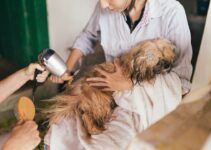
It will be much easier to remove the loosened hair. To help blow out loose hair outside, use a towel or, if your pet can handle it, a high-velocity pet dryer. The foundation of a healthy coat is the interior. Your pet’s skin and coat health are directly impacted by what they eat, which in turn affects how much they shed. Pet food of superior quality. Invest in pet food that contains high-quality protein sources rather than a lot of artificial ingredients & fillers.
Ideally, a named meat source should be the first ingredient. fatty acids that are omega. Fatty acids Omega-3 & Omega-6 are essential for healthy skin and coats.
They keep the skin hydrated and lessen irritation and dryness, both of which can lead to excessive shedding. Dietary Sources: These are found in many premium pet foods. Supplements: Consult your veterinarian about adding flaxseed oil or fish oil (such as salmon or cod liver oil) if your pet’s diet isn’t providing enough.
To prevent upset stomachs, start with small dosages. Additional Beneficial Supplements: Coat health can also be supported by zinc and biotin. Prior to giving your pet any supplements, always get advice from your veterinarian.
Even if you take every precaution, some hair will still find its way into your living area. It is crucial to have a strategy for handling it. Clever Cleaning Methods. To prevent pet hair, regular cleaning is essential.
Purchase a high-quality vacuum cleaner made specifically for pet hair. These frequently have specialized attachments and greater suction. Regularly vacuum upholstery, rugs, and carpets. Robotic Vacuums: With their ability to collect a surprising amount of hair on their own, robot vacuums have the potential to revolutionize daily maintenance.
Running it every day can have a big impact. Hard Floors: An electrostatic sweeper or dry mop are excellent tools for gathering hair before it disperses on hard floors. Lint Rollers: To quickly touch up clothing and furniture, keep lint rollers in your car, by doors, and close to your bed.
Rubber Gloves: Picking up pet hair from carpets & upholstery can be done surprisingly well with a damp rubber glove. safeguarding your bedding and furnishings. It’s easier to prevent than to clean all the time.
Washable Covers: If your pet uses furniture frequently, cover it with washable throws or slipcovers. Instead of thoroughly cleaning the furniture itself, this enables you to take off and wash the covers on a regular basis. Designated Pet Beds: Provide cozy, appealing pet beds to lure your pet to sleep there rather than on your bed or couch. Clean these beds often. Lint-Resistant Fabrics: When purchasing new furniture, take into account materials like leather, microfibre, or tightly woven fabrics that are less likely to catch pet hair.
air purification. By capturing pet dander & hair in the air, a high-quality air purifier with a HEPA filter can improve air quality and lessen the quantity of hair that ends up on surfaces. Although shedding is common, there are times when it may be a sign of an underlying medical issue. Be mindful of any notable changes. indicators of problematic shedding.
Abrupt or Severe Hair Loss: Above & beyond typical seasonal hair loss. Bald patches or thinning hair: Particularly if redness or irritation are present. Brittle, dry, or dull coat: A healthy coat should be soft and glossy. Skin irritation, frequently caused by allergies, parasites, or infections, is indicated by itching or scratching. Redness, rashes, or lumps on the skin may indicate allergies, infections, or other dermatological conditions. Changes in Appetite or Energy Levels: Coat issues can be a sign of general health decline.
Seeing your veterinarian is essential if you notice any of these symptoms. They are able to identify any underlying issues and suggest the best course of action, which may include dietary modifications, prescription drugs, or particular skin care procedures. By addressing these problems, abnormal shedding can frequently be resolved or greatly reduced.
Shedding management is a continuous process rather than a one-time solution. Even during the busiest shedding seasons, you can keep your home much cleaner and your pet comfortable by combining regular grooming, appropriate bathing, a healthy diet, and wise cleaning practices.
.