Understanding your indoor cat’s natural instincts & figuring out how to satisfy them in your home are the key to keeping them content & stimulated every day. It’s more about thoughtful interaction and a well-designed environment than it is about costly devices or an endless supply of toys. Happier cats are less stressed, and happier cats are healthier and more fun to be around. Consistent enrichment that appeals to their inner explorer, hunter, and social being is crucial. Before we get into specific advice, let’s take a quick look at what makes a cat a cat.
They are descended from hunters who lived in the desert, and despite their domestication, these instincts are still very much present. The Inner Hunter. There is a vicious predator hiding inside even a plump housecat. They are designed to chew, climb, stalk, & pounce.
To ensure your indoor cat remains happy and stimulated every day, it’s essential to incorporate various activities and enrich their environment. For additional insights on maintaining motivation and engagement, you might find the article on staying motivated throughout the learning journey helpful. It offers valuable tips that can be applied not only to personal growth but also to enhancing the daily routines of your feline friend. You can read more about it here: How to Stay Motivated Throughout the Learning Journey.
The excitement of the chase and the satisfaction of “catching” their prey are more important to them than food. Curiosity of the Explorer. Cats are inquisitive by nature. They have a sense of territory & enjoy taking in their surroundings and exploring new areas, even if it’s just a recently opened cupboard.
Boredom can develop quickly in a setting that is static and unchanging. The Social Butterfly, Occasionally. Despite being perceived as distant, many cats value human and occasionally feline company.
Positive, regular interaction is beneficial for even the most independent cats. It’s critical to recognize their distinct social cues. For your cat, your house is the world. Creating a welcoming & stimulating environment is essential to their everyday well-being.
To ensure your indoor cat remains happy and stimulated every day, it’s essential to incorporate a variety of activities and environments that cater to their natural instincts. For additional tips on enhancing your feline friend’s quality of life, you might find this article on creating an enriching environment for indoor cats particularly helpful. By providing engaging toys, interactive playtime, and safe spaces for exploration, you can significantly improve your cat’s well-being and happiness.
Hiding spots & vertical space. Cats enjoy watching from above and feel safe in secret places. Giving them these choices accommodates their innate tendencies. Cat Trees and Condos.
Purchase a strong cat tree, ideally one with several levels, scratching surfaces, and comfortable nooks. If at all possible, place it next to a window so they can observe the passing scenery. Make sure it’s high enough for them to see well.
Wall benches & shelves. Think about adding cat-friendly wall perches or shelves. These establish new routes and higher areas for resting. Make sure they can sustain the weight of your cat and are firmly mounted.
Both tunnels and boxes. Don’t undervalue a basic cardboard box’s power. For hiding, jumping, & scratching, cats love them. Change up the shapes & sizes.
Also, cat tunnels are great for exploration and playtime.
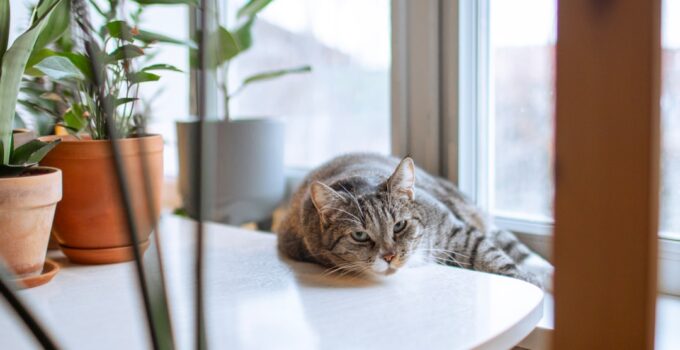
“Cat TV” and Windows Access. Windows offer cats endless entertainment and mental stimulation, much like reality TV. observing birds and squirrels.
Your cat can safely observe birds, squirrels, and other outdoor activities by placing a cozy perch or cat tree close to a window. Their hunting instincts are stimulated without the risks of going outside. Man-made stimulation. If watching natural “cat TV” isn’t a good option, think about using a tablet or TV to watch cat-friendly nature videos.
Just watch how they respond; while some cats may enjoy it, others may not. Playtime is essential for adult cats to maintain their physical & mental health; it’s not just for kittens. It’s a great way to strengthen your relationship with your cat and give them a chance to let off steam.
Sessions of hunting every day. Every day, try to play actively for at least 15 to 20 minutes, divided into a few shorter sessions. Stalk, pounce, catch, and “kill” the toy to imitate the hunt.
Feather teasers & wand toys. Because you can control the movement, making the “prey” more alluring, these are frequently the most popular kind of toy. To mimic an actual hunt, drag, hide, and dart the toy. To satisfy their hunting urge, always allow your cat to “catch” the toy at the conclusion of a session.
Use caution when using laser pointers. Even though laser pointers are entertaining, cats may find them annoying if they are unable to “catch” their prey. In order to avoid unresolved frustration, always switch to a physical toy that they can capture & “kill” as soon as a laser pointer session is over. Play that preys. Promote chasing, pouncing, & leaping.
Make use of toys that imitate insects, birds, or mice. Don’t teach your hands or feet to attack human body parts by using them as toys. A cat that is bored may turn destructive or lazy. The importance of mental stimulation is equal to that of physical activity. Feeder & puzzle toys.
By making your cat “work” for their food, these toys slow down mealtimes & stimulate their ability to solve problems. Toys with food dispensers. Put some of their daily kibble allowance into these. To extract the food, they must roll, bat, or manipulate the toy.
Start with simpler puzzles & work your way up to more difficult ones. Give them a treat. Like food dispensing toys, but with sweets instead. These work well for quick, interesting sessions that give them something back for their work. DIY puzzles.
Empty toilet paper rolls, paper towel rolls, or even an egg carton can be used to make basic puzzles. Treats should be hidden inside for them to find. Toys & fragrances that rotate. For cats as well as other animals, variety is essential. Boredom is avoided by maintaining a fresh environment.
Rotation schedule for toys. Don’t always keep all of the toys out. To keep things interesting, change them up every few days or weeks. A “new” toy will make it feel exciting once more. Silver vine and catnip.
Occasionally provide silvervine or catnip toys. Although not all cats respond to these, it can be an enjoyable and stimulating experience for those that do. Watch how they respond, then make a moderate offer. fresh fragrances. Bring in organic fragrances from outside (no pesticides, please!).
They can discover intriguing new scents from a few leaves, a tiny branch, or a pinecone. Just make sure they are non-toxic & safe. Cats are social animals who greatly benefit from positive interaction with humans, despite the fact that they are frequently independent. Set aside time to play & cuddle. Plan regular time for grooming, petting, and gentle play.
Your relationship is strengthened and trust is increased. gentle brushing and petting. A lot of cats like to be petted, especially on the back, cheeks, & head. Observe their body language to determine when they’ve had enough & where they like it.
Frequent brushing can serve as a bonding ritual in addition to aiding with shedding. Talking with others. Talk to your cat in a gentle, soothing voice. They can sense your tone and focus even if they don’t understand what you’re saying.
It’s also possible to promote communication by answering their meows. encouraging reinforcement. Give praise, treats, or soft pats to encourage desired behaviors. This increases the effectiveness of training, including basic tasks like responding to calls, and helps reinforce positive behaviors.
rewards for good behavior. Reward calm behavior, using the litter box, or approaching you with small, healthful treats. Treats can lead to weight gain, so avoid overfeeding them. Give verbal praise.
Giving your cat a gentle “good kitty” or other encouraging words can help them feel valued and understood. A cat in good health is content. The first step to a well-adjusted feline companion is attending to their basic needs. Hydration and nourishment. Access to fresh water & a well-balanced diet are essential.
superior cuisine. Select a premium cat food that is suitable for their age and degree of activity. If you’re not sure what your cat should eat, speak with your veterinarian. sources of fresh water. A lot of cats like the flow of water.
Since drinking enough water is essential for kidney health, think about installing a reliable pet drinking fountain to promote hydration. Clean the fountain frequently and change the water every day. frequent veterinary examinations. Annual vet visits are crucial for preventive care, even if your cat appears healthy.
Early problem identification. Frequent examinations can detect possible health issues before they worsen. This is particularly crucial because cats are adept at concealing illness.
dentistry. Dental health is frequently disregarded. Talk to your veterinarian about dental hygiene since poor dental health can cause other systemic problems. a tidy environment.
Your cat’s happiness and well-being are greatly enhanced by having a clean living area & litter box. Litter Box Upkeep. At least once a day, and preferably twice, scoop the litter box.
Once a week, replace all of the litter and thoroughly clean the entire box. Certain cats have very high standards for the cleanliness of their litter boxes. Calm Sanctuary. Make sure your cat has a peaceful, cozy spot to hide out where they won’t be bothered. This could be a bed, a hiding place, or a lofty perch. It takes constant observation, comprehension, and communication to keep your indoor cat content and engaged every day.
It’s about giving them a setting that satisfies their innate desires, involving them in play and intellectual challenges, & consistently showing them love & care. You’ll have a happier cat & a stronger, more fulfilling relationship with your feline companion if you do this.
.